

DREAM TEAM
LEADERS TRAINING
SERVE THE LORD WITH GLADNESS
We are honored to serve God and people, not because we have to but because we want to.
DREAM TEAM MANUAL
THE BASICS
SERVE THE LORD WITH GLADNESS
“Serve the Lord with Gladness; Come before his presence with singing.”
Psalm 100:2 (NKJV)
Our goal is to love God and people and serve them through our gifts and passions. We are honored to serve on the Dream Team, not because we ‘have to’ but because we ‘want to.’
THE DREAM TEAM VISION
Lifehouse's vision is to reach people with the life-giving message of Jesus Christ so that all may become His fully devoted followers. This vision is achieved by these four pillars.
Weekend Services: We are here for the lost.
Lifehouse DNA: We provide a catalyst for spiritual and personal growth.
Connect Groups: We believe that real life change happens in the context of relationships.
Dream Team: We empower people to live out their God-given purpose.
THE DREAM TEAM MISSION
God values people, and so do we!
Our mission is to empower people to do the works of the ministry so that the body of Christ may be built up.
Every team is vital to fulfilling the overall mission and vision of the Church.
Every team aspires to be sustainable and abundant enough to have a healthy team rotation for all services or events and key leadership in place.
“Their responsibility is to equip God’s people to do his work and build up the church, the body of Christ.”
Ephesians 4:12 NLT
THE DREAM TEAM MODEL
The Dream Team follows a biblical model. The Bible shows us that masses of people followed Jesus. But he didn’t care for everyone on his own. Instead, Jesus built a team of disciples who knew him intimately and carried on his work.
It’s impossible for one leader to develop, care for, and coach every member of the church. However, a healthy and thriving Dream Team can make sure everyone is cared for effectively.
THE DREAM TEAM STRUCTURE
The Dream Team is structured so we can accomplish our vision and mission together under the leadership of our Senior Pastors, Campus Pastors, and Campus Leaders.

Campus Pastor / Dream Team Coordinator
The Dream Team Coordinator relays information from the Campus Pastor to each Area Coordinator. Until campuses reach a regular attendance of 500 or more, the Campus Pastor is the Dream Team Coordinator. The Campus Pastor can appoint a Dream Team Coordinator when the load has grown too big.
Area Coordinator
Area Coordinators oversee a specific area of the church, like Production or Lifehouse Kids, and they may have multiple leaders under them. They carry the heart and culture imparted to them by the Senior Pastors and Campus Pastor. Area Coordinators have a passion for helping Dream Team Leaders recruit members for their team and impart vision, important information, and Lifehouse culture.
Dream Team Leader
Every Dream Team has a leader who imparts church vision and culture to the team. As the team grows, the leader equips and empowers members to step into the following areas of responsibility:
- Administration
- Training
- Recruitment and welcoming new members
- Care
In the early stages of the team, it may be possible for the Leader to handle all responsibilities. But as the team grows, we recommend sharing the load with responsible team members to keep the team healthy and help each member develop their ministry gifts.
Dream Teamers
Dream teamers are the “building stones” of the church (1 Peter 2:5). They come from all walks of life and bring a colorful variety of skills and gifts. Some gifts are raw, but ready to be sharpened and polished! They serve and minister in various areas across the whole church.
QUALITIES OF A GREAT DREAM TEAM LEADER
Great leaders are:
- Leading by example
- Visionary and passionate
- Organized
- Decisive
LEADING BY EXAMPLE
As leaders, we love and uphold Lifehouse culture and build teams with core biblical values.
As Paul writes,
“Follow my example, as I follow the example of Christ.”
1 Corinthians 11:1 NIV
In all things, even during difficult seasons, live humbly and lead by example. Here are six important habits to cultivate as a leader and model to others.
- Journal: As a leader, you are responsible for feeding yourself from God’s word.
- Pray: Model the importance and power of prayer.
- Forgive: Let go of offenses quickly.
- Stay Sexually Pure: Surrender your sexuality to God.
- Be Real: Share your successes, failures, joys, and sorrows because they provide wisdom and encouragement for others.
- Stay Excited: Your relationship with Jesus is the most inspiring example you can provide to others.
“This is why I remind you to fan into flames the spiritual gift God gave you when I laid my hands on you.”
2 Timothy 1:6 NLT
VISIONARY AND PASSIONATE
Great leaders:
- Have a vision for what the team can achieve and the practical ways to accomplish it.
- Share the vision. It’s more important to share vision than hand out tasks! Every meeting should involve sharing the vision in some way.
- Teach and pray. The Bible is filled with Scriptures we can use to motivate and guide the team. Close every meeting with prayer over what was discussed, team goals, and God’s continued direction for the team.
- Help their team to win. Leaders provide practical steps to achieve team goals, then celebrate wins publicly.
- Share testimonies. Leaders share stories that capture the heart of serving.
ORGANIZED
Great leaders organize team meetings and schedules and keep the team operating in a sustainable way.
Responsibilities of leaders include:
- Planning
- Communicating expectations, information, and logistics
- Facilitating short team meetings
- Discussing and resolving issues
- Creating rosters and managing their team inside Planning Center, which includes team rosters, runsheets, and other details.
- Maintaining schedules and handling any relevant administrative responsibilities for the team.
About Planning Center
We encourage all Dream Team leaders to use Planning Center.
It’s a great tool for scheduling your team. Leaders can send roster requests and reminders directly to team members, even automating them to send at regular intervals. Team members can accept or decline each request. Every roster and every team member’s response is recorded in Planning Center for leaders to monitor. This ensures that all teams are adequately resourced for every service.
To learn how to use Planning Center, follow a brief tutorial at https://get.planningcenteronline.com.
Talk with your Area Coordinator if you need help.
Getting Support from the Church Office
The church office can help by filing, organizing supplies, occasionally placing orders, or communicating planned events on the calendar. Contact the Lifehouse Global office if you have questions about this.
DECISIVE
Resolving issues and making decisions is the responsibility of the leader. When issues arise or decisions need to be made, walk through the following steps:
- Gather all the information you need to process the decision or issue.
- Start dealing with issues and processing decisions as soon as they arise.
- Pray for God’s wisdom and revelation.
- Seek guidance from your leaders, either your Campus Pastor or Area Coordinator.
- Plan ahead for the next three to six months. Develop creative strategies with your team.
THE LEADERSHIP LOOP
IDENTIFYING & TRAINING NEW LEADERS
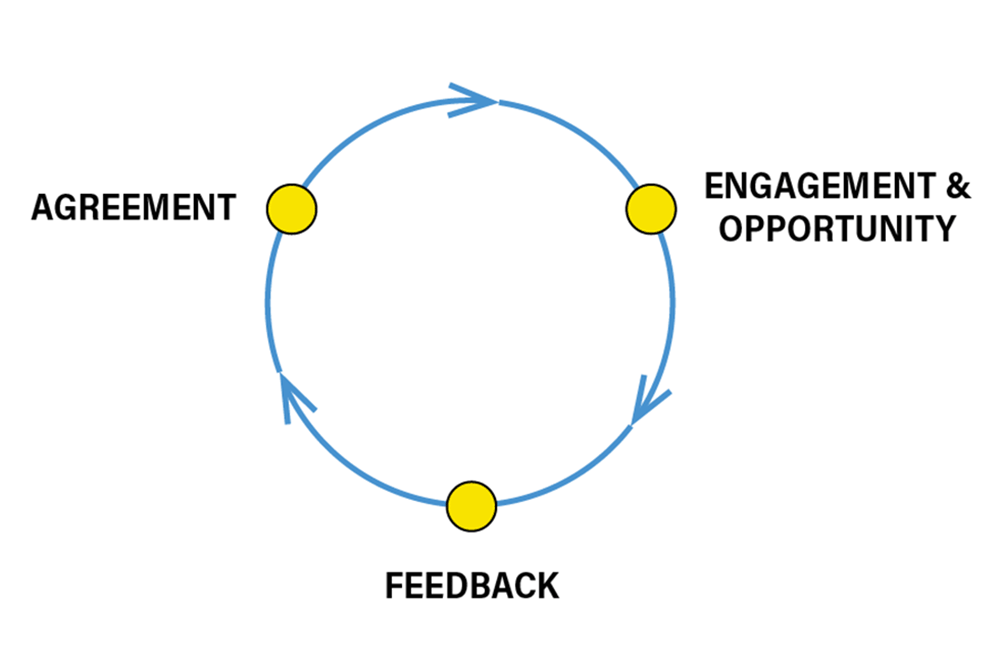
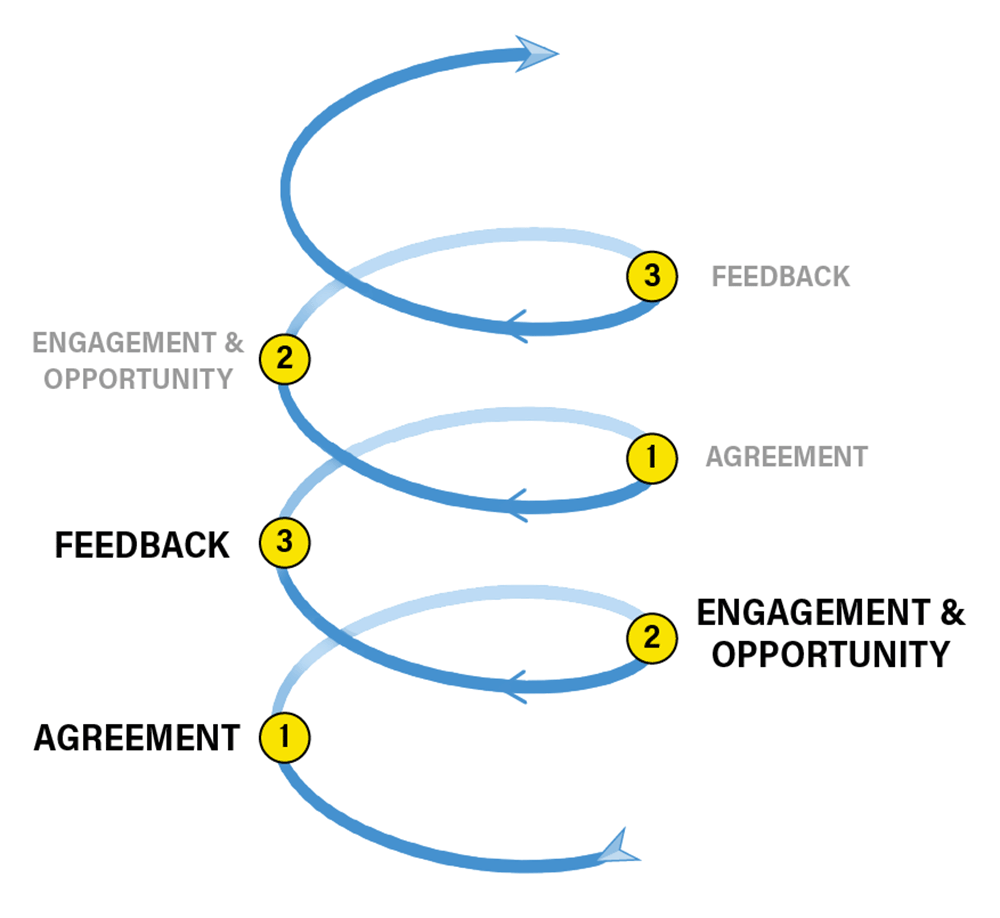
We like to use a framework called the Leadership Loop, which helps you identify and train new leaders. It includes three steps:
- Agreement
- Engagement
- Feedback
CULTURAL AGREEMENT
Potential leaders should love Lifehouse culture and uphold it by embracing our Lifehouse Distinctives and core biblical values. This helps us build a healthy unified church.
We look for three areas of cultural agreement when considering a potential leader. They are:
- Understanding our Lifehouse DNA
- Understanding our Lifehouse Distinctives
- Understanding our Dream Team Practices
Understanding Our Lifehouse DNA
Encourage new people to go through Lifehouse DNA, especially those who want to serve or lead with us. We welcome all to complete the course and express their desire to lead, but not everyone is ready for leadership.
We know it’s time to move to the next step of the Leadership Loop only when there’s cultural agreement.
Look for agreement in the following areas:
- How we do church in general
- How we preach and teach
- How we do Connect Group
- How we do music
- How we do outreach
- How we do Dream Team and serving
- Our statement of Faith and theology
Understanding Our Lifehouse Distinctives
Lifehouse has 13 distinctives that define our values, beliefs, and culture as a movement. In other words, this is how we do things at “our house.” We expect leaders to understand and agree with the following.
FOUNDATIONS
1. The Big 3: Journalling, Simple Prayer, and Clean Heart
2. Grace: Living as sons and daughters of God
3. Sexual Purity & Health: See the Statement of Faith for details
DISCIPLESHIP
4. Connect Groups and the Blue Book studies
5. Dream Teams: Serving the Lord with gladness
6. Training leadership from within and maximizing their God-given potential
MISSIONS
7. A Church on Mission: Reaching people and touching nations
8. Contextualized: We teach biblical truths for today's culture. For example, how we do communion, marriage prep, and baptism
9. Collaboration with various like-minded churches and ministries
SERVICES
10. A church for all generations, especially the next generation
11. Praise and worship and music composed within the church.
12. Plurality of preachers: A diverse team of preachers and teachers with a consistent message.
GOVERNANCE
13. Financial, legal, and HR excellence
Understanding Our Dream Team Practices
Over many years, we’ve developed some best practices for our Dream Team that help each team stay balanced, strong, and effective. We expect leaders to understand and carry on these practices.
BALANCE
This means scheduling team members thoughtfully, so they can attend services regularly and participate in church.
This is especially important for teams that serve outside the main hall. We recommend that team members attend services as much as possible to stay spiritually and personally nourished.
TEAM MEETINGS
In a Dream Team meeting, the team comes together to prepare for serving, discuss the day’s plan, go through logistics, and pray. This is essential for the team to stay united and on the same page. Meetings should be short; around 5 minutes is best. While most teams start early, Setup and Production teams start even earlier. After a short meeting, everyone moves forward with their assignments.
APPRECIATION EVENTS
The Campus Pastor or Dream Team Coordinator schedules the yearly Dream Team Appreciation Party. It’s a time to say thanks to the team, enjoy good food, win prizes, and maybe even enjoy some games and entertainment. The goal is to celebrate what God has done during the year, build relationships, and have lots of fun!
RECRUITMENT
Teams stay healthy when they continue to welcome new members. Recruiting can happen at Next Steps and Lifehouse DNA areas, Dream Team Open Days, and in Connect Groups.
The process of joining a Dream Team includes three steps.
- Apply: Help the person complete Lifehouse DNA and the Dream Team Application.
- Connect: Connect the person to the Dream Team Leader for the team they want to join.
- Train: The Dream Team Leader and members on board and train the new member. Once you see cultural agreement in a potential leader, it’s time to move to the engagement and feedback stages.
ENGAGEMENT
Remember, only offer engagement at a leadership level if there’s cultural agreement. When offering engagement, make sure to also offer feedback, which is the final step of the Leadership Loop. Engagement is our interaction with a new leader as we train them and release them into new leadership roles.
Train
Train the team by connecting, encouraging, and teaching them the necessary skills for serving.
- Encourage team members to stay close to God and his purposes through Journaling, Simple Prayer, Clean Heart, and sexual purity.
- Observe and give feedback. We say, “Inspect what you expect.” In other words, don’t just delegate a task; observe them as they complete it and give them good feedback along the way.
- Encourage and show appreciation. Let team members know they did well. Encourage them with appropriate Scriptures, prayer, or testimony.
- Connect. Take time to laugh, share, and enjoy being together.
- Care in a healthy way. Demonstrate God’s love in practical ways, like listening and speaking the truth in love. Don’t burn yourself out by trying to love everyone. And don’t be legalistic when bringing the truth. A good balance of truth and grace will make serving enjoyable.
“For the law was given through Moses, but God’s unfailing love and faithfulness came through Jesus Christ.”
John 1:17 NLT
“Instead, we will speak the truth in love, growing in every way more like Christ, who is the head of his body, the church.”
Ephesians 4:15 NLT
Multiply
As you’re training the team, you’ll notice one or two people who seem like potential next leaders, even if they’re not ready to lead just yet. Before multiplying your team or establishing a new leader, follow the three steps of appointing, equipping, and releasing.
STEP 1: APPOINT
As leaders, we should always be on the lookout for our next leader.
- Look for a potential Dream Team Leader, even if they need more training first.
- Pray for God’s direction. Paul wrote, “Never be in a hurry to appoint a leader” (1 Timothy 5:22). Don't be quick to fill empty spots.
- Ask for approval from your direct leader, either the Area Coordinator, Dream Team Coordinator, or Campus Pastor, before approaching a prospective leader.
- Meet one-on-one with the potential leader to determine their readiness, availability, and capacity to lead.
STEP 2: EQUIP
Equipping people involves intentional training, constructive feedback, and being relational.
Follow these four steps to effectively train the next leader for their role.
- You Do It. At first, the Dream Team Leader carries the leadership responsibilities until others can be identified and developed.
- You Do It, They Watch. Explain the role and responsibilities, set the standards, clearly communicate the vision, and lead by example.
- They Do It, You Watch. Serve alongside them, providing feedback, correction, and encouragement. Train them as they serve. Observe them to see if they are in the right position.
4. They Do It By themselves. Only delegate responsibility when they’re able to handle it. Set them up for success! Once you’ve released them into a new role, pray with them for God’s wisdom in serving.
STEP 3: RELEASE
Empower people to passionately and purposefully serve in God’s Kingdom.
- Give them the role. Once they’ve proven their character and you’ve adequately trained them, let them lead.
- Give them space. Don’t micromanage their every move. Instead, allow for opportunities to succeed and fail. Provide appropriate feedback for both.
- Give them time. It takes time to learn a new role.
- Give them a second chance. There’s a new level of spiritual warfare at every new role, plus a new level of maturity and growth required.
The Results of Great Engagement
- New members are successfully joining the team.
- Leaders and members are planted and loving the church.
- The team grows numerically, spiritually, and relationally.
- Team members attend training opportunities.
- Team members serve consistently.
- Team meetings are dynamic and well-attended.
- The Dream Team Leader continues to identify and develop leadership roles.
- Dream Team members attend appreciation events.
FEEDBACK
Feedback happens alongside engagement. As you engage and train potential leaders, your feedback helps them stay on track and develop their skills.
Inspect What You Expect
In other words, don’t just delegate a task, but share expectations, monitor their progress, and give them feedback. Some tips:
- Lay out expectations for the task and the steps you’d like them to take to complete it.
- Check their effectiveness. Do they lead in alignment with our culture and core values and your expectations?
- Check their progress. Are they planning well? Do they respond promptly to instructions or requests?
Always Include Positive Feedback
It may be easy to see what needs to improve, but always start with positive feedback! What are they doing well? After that, include areas to improve and grow where needed.
Offer Feedback in Connection to Their Role
It’s important to observe the potential leader as they serve so you know how to help them improve. Some tips:
- Be available to observe.
- Offer help on how to perform their role or deal with people better.
- Always correct personally and promptly.
Correct When Conflict Arises
Sometimes, when we lead we may experience conflict. Train potential leaders to address issues prayerfully and personally. Help them navigate resolution, and as the trainer, be available to participate in the process.
Give an Open Door of Communication (With Boundaries)
Set healthy boundaries for communication and share them with your team. Besides emergencies, you should expect your potential leader and members to contact you at the hours you are available.
BUILDING A HEALTHY AND HAPPY TEAM
It’s the leader’s role to build a healthy and happy team. There are seven key actions a leader can take to do this, which are:
- Connect
- Position People Well
- Help the Team to Win
- Be Flexible
- Prevent Burnout
- Refocus
- Strengthen the Team
CONNECT
Get to know the people in your team and their stories. People are the most important part of the Dream Team!
“Leadership is not something you do to people, but something you do with people.”
Ken Blanchard
POSITION PEOPLE WELL
Prayerfully position people according to their skills and passions, as well as character and experience. Get to know their strengths and where they can grow further.
HELP THE TEAM TO WIN
Observe the team as they serve and provide feedback to help them grow. Create a culture of servant leadership within the team. In other words, lead others by serving them. Resource the team with the right tools to help them grow.
BE FLEXIBLE
Be ready to make changes when needed. Here are some places to look to see if changes should be made:
- The Team: Assess the momentum of the team while serving. Are they energized or exhausted?
- Projects: Evaluate assigned projects. Are they overwhelming or exciting for the team?
- Data: Take a look at Planning Center, training attendance, and other data to show you what could be improved.
PREVENT BURNOUT
There are several steps you can take to maintain the team in a sustainable way and prevent burnout for yourself and others.
- Recruit new members and keep growing the team.
- Share your responsibilities with others to develop their talents and skills.
- Set goals in advance so the team has enough time to prepare.
- Keep meetings short. Allow periods of rest between busy seasons. Teams function best when there’s rhythm: bursts of energy followed by restful periods.
REFOCUS
Sometimes the team needs the leader’s help to refocus and remember the joy of serving. It’s time to take time out when:
- The team is notably discouraged. This can happen when things go wrong.
- The team is no longer interested in new people.
- The attitude toward serving changes from ‘I want to’ to ‘I have to.’
- Meetings are poorly attended.
Lift the team’s spirit by bringing everyone together to pray, cast vision, refocus on Jesus, or clarify expectations.
If a team member is tired, encourage them to take a break for a season. Their health and well-being are more important than their role.
If a leader is tired or overwhelmed, they can also take a break for a season. Remember, a healthy and happy leader means a healthy and happy team.
STRENGTHEN THE TEAM
Dream Team success is found in its sustained enthusiasm, passion, unity, and the personal growth of every individual. Some ways to strengthen your team include:
- Be quick to identify and address individuals who lack energy. Energy-draining members can be detrimental to the team.
- Align everyone with the vision and set reasonable expectations. This includes what we do, why we do it, and how we do it.
- Align everyone with our core values. Address anything that contradicts the character of Jesus, biblical values, or the core cultural values of Lifehouse.
- Ensure that everyone has adequate training to carry out their role and responsibility.
- Empower every team member to take initiative within the team.
- Hold team members accountable by giving appropriate and consistent feedback and consequences.
- Intentionally ask questions and pray for members. What’s affecting their serving?
- Increase the energy of the team by adding new people, training, and releasing new leaders.
SOLVING TEAM CHALLENGES
No one is perfect! At the same time, it’s the leader's role to correct, care, and hold individuals accountable. We also want to offer clear pathways to restoration. The following guidelines will help you to resolve conflict in the smoothest way possible.
- Schedule a time to talk face-to-face. Be positive and encouraging, even in the face of a difficult issue.
- Ask specific questions about the person’s life, work, relationships, and serving so you can understand them and their situation. Follow the 80/20 rule: spend 80% of the time listening and 20% of the time talking.
- State your concerns. For example, it could be overcommitting, wrong attitudes, or being easily offended.
- Offer prayer.
- Speak the truth in love: what God says about them and the situation. Scripture should be encouraging as well as bringing God’s truth.
- Set clear next steps. It may be reducing serving commitments, changing an atittude, apologizing, joining the Freedom or Strength Course, or other actions to take.
- Ask if you can follow up on their progress. (It’s best if they give you permission to hold them accountable.)
- If a difficult situation arises, ask the Area Coordinator for help. They are able to ask a pastor if it’s a complicated situation. You’re not alone; there’s always a leader to help.
Note: It’s helpful to organize a one-on-one chat with applicants before they join the team. In this conversation, you can discuss issues of life balance, family, and other commitments to assess at what level they’re ready to commit to the team.
THINGS TO NOTE
KEYS TO LEADING IN TODAY’S CULTURE
We want to lead excellently in today’s culture so we can shine the light of Jesus wherever we go. This means navigating social media, business, and confidentiality in a wise manner.
“You say, ‘I am allowed to do anything’—but not everything is good for you. You say, ‘I am allowed to do anything’—but not everything is beneficial. Don’t be concerned for your own good but for the good of others.”
1 Corinthians 10:23-24 NLT
Leading the Way in Social Media
- Present the church with excellence. As a Dream Teamer, once you associate yourself with Lifehouse Church, others will too, so present yourself and the church with integrity.
- Celebrate Jesus — More than yourself, social, cultural or political issues. While what we post may not change the world, Jesus can transform lives.
- Anticipate the impact of your words and images. Our opinions can touch people intellectually, emotionally, and physically. What we wrestle with intellectually, others may feel personally.
- Take responsibility. Always post honest and accurate information or news, and if you make a mistake, be transparent and correct it quickly.
- Give Credit. When posting other people’s material, get permission if it’s required, and give credit to the artist or owner. Link to the source where possible.
Leading the Way for a Healthy Separation Between Business and Church
We desire to create a safe place for people to experience God and church life. People generally expect that the church is NOT a place where business is conducted.
We don’t want to create an environment where the motive for building relationships in church is misunderstood to be influenced by business opportunities. Therefore, here are some helpful tips:
- Conduct business in a manner worthy of our values. Please refrain from selling or promoting products or services within the church. This includes distribution, advertising, invitations, SNS, or using church Line groups, phone contacts lists, or emails for the purposes of soliciting business, party-plan selling, multi-level marketing, or network marketing.
- Keep business promotions separate from church and personal promotional posts. Set up a separate social media account for business.
- Personal sales or product deliveries should not be made during church or at church activities. This includes events, Connect Groups, Dream Teams, etc.
- We recommend Dream Teamers refrain from seeking professional advice or making business enquiries during church activities. Let Church be Church.
- Lifehouse Church does not take any responsibility for any business transactions between church members.
- Lifehouse Church will promote certain activities, products, and services within the bounds of the expectations of a church and where they are considered beneficial to members.
Leading the Way in Confidentiality
While confidentiality is important for honest and open relationships, we ask Dream Team leaders to inform Pastoral staff if they have concerns regarding their own safety or well-being or that of other people in the church or community.
Please be discreet when sharing information, but never promise members confidentiality.
- Information given in prayer should not be put on social media of any kind, even as encouragement or sympathy. Please ask for permission first.
- The Dream Team Leaders should seek guidance from pastoral staff when faced with ethical dilemmas in regards to people at risk and the law. If there is a risk of harm, either to the person concerned or to others, leaders must consider it their legal duty to break confidence.
References & Additional Material
DREAM TEAMS
Discovering Purpose & Joy in Serving (Part 1)
DREAM TEAMS
Discovering Purpose & Joy in Serving (Part 2)

